
At the dawning of the 20th century, the female tennis outfit underwent a few changes. The cumbersome sleeves disappeared, leaving room for simpler shirts inspired by the male versions. The corset got left behind in the closet while the outfit’s allure became much more fluid thanks to fabrics that allowed for easier movement. Finally, the color white found its home on these tennis garments. However, it wasn’t until the end of WWI that the female tennis outfit as well as the urban silhouette underwent a major evolution. In that era, sports were becoming more and more attractive as a pastime. Jean Patou, a French couturier, launched a new trend with his saying “Evolution not revolution is my motto”. Just like one miss Coco Chanel, he actually would go on to revolutionize the female wardrobe. The first Patou collection in 1919, meant to be worn in town, boasted an active and liberated allure that parted ways with the traditional cuts of that era.
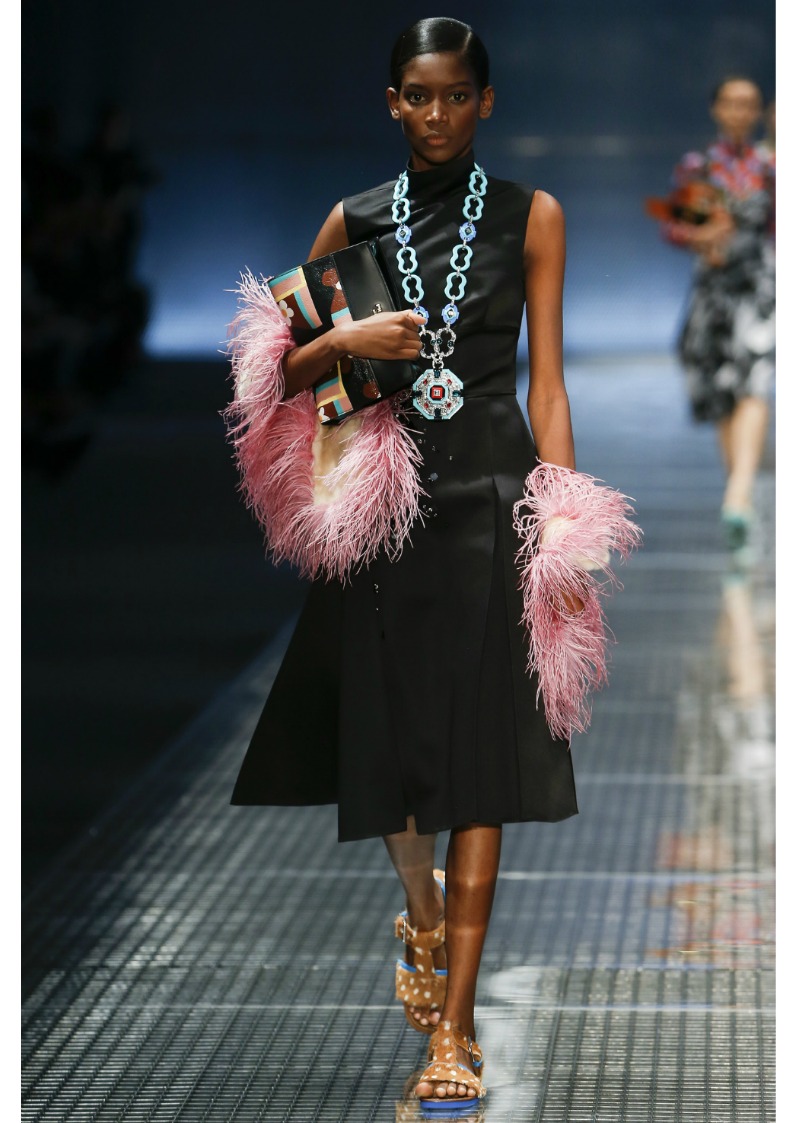
He created a piece for women that is by now a tried and true one: the pleated skirt. Made of washable silk, a first for that era, and short, it allowed for a greater ease of movement. International female tennis star, Suzanne Lenglen, known for her acrobatic movements, adopted it in 1925 and was thus the first woman to wear a short skirt on a clay court. “Divine”, as she was nicknamed, became the most athletic of Patou ambassadors. Paired with a menswear-inspired jersey cardigan, the pleated skirt unites femininity and relaxation. Quickly moving beyond the sporting world, it soon invaded wardrobes of all those who desired to be casual while remaining elegant for any occasion. It marked the birth of sportswear, which would go on to dominate fashion for years afterwards. Little by little, the tennis skirt was replaced on the tennis courts by skirts with built-in underwear. Color, previously left at home in the closet, began to spice up outfits in the most extravagant of ways. Neon shades, prints, etc… Anything to optimize the sponsor’s visibility. With time, the little white pleated skirt moved beyond its status as a sports garment to become an icon. Revisited by brands like Lacoste or Prada, it has modernized itself all while keeping a bit of its retro vibe. This is how it’s managed to keep its privileged place within wardrobes everywhere. A symbol of sportswear: casual but always chic. Both on Roland Garros courts and on the runways!
Leave a Reply