
French savoir-faire has quite the reputation; today, a number of initiatives have sprung up to protect and celebrate it.
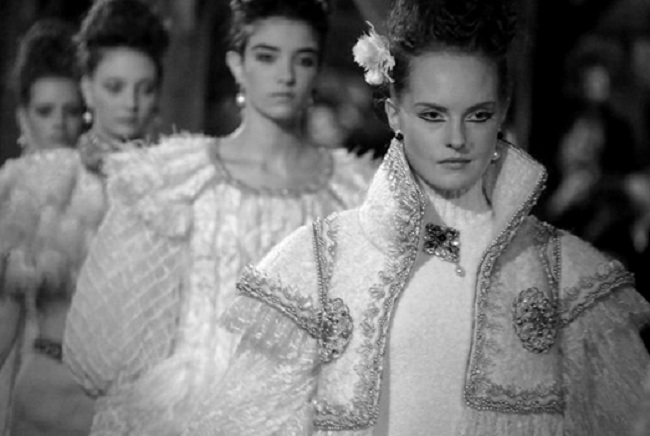
Métiers d’Art 2012/2013 Collection
The Fondation Bettencourt Schueller created the “Prix Liliane Bettencourt pour l’Intelligence de la Main” in 1999 to award fine crafts in all their many domains. This initiative’s watermark is a desire to celebrate and honor the excellence of savoir-faire that is “made in France”. “I measure the marvelous and rare conjunction of an artist’s inspiration and an artisan’s savoir-faire. The artisan is backed by an ancestral savoir-faire. The artist draws from the aesthetic trends of their time while seeking to surpass them. Uniting the two is precious and moving. That’s what I think.” confesses the project’s initiator Liliane Bettencourt. The foundation gives out 2 prizes each year. The “Talents d’exception” prize is for the total mastery of a certain skill that went into creating a work that is both innovating and aesthetically pleasing. The “Dialogue” prize aims to encourage collaborations between artisans and designers, who create something together with their combined abilities, techniques, and skills. On the fashion frontier, which definitely carries its weight in artisans with exceptional savoir-faire, there have already been a few prize-winners… In 2006 it was Catherine Chotard, designer and jeweler since the 90s, lover of precious metals, gold, and silver. In 2009 as part of the “10 artisans à l’honneur” series we discovered designer Aurélie Lanoiselée who transformed traditional embroidery and who’s creations have attracted the curiosity of brands like Carven and Christophe Josse. In the same series was Jean-Marc Lavaur and Françoise Fabre, glovers who worked in collaboration with designer Mary Beyer, supplier to brands that need no introduction such as Givenchy, Chanel, and Jean Paul Gaultier. Rewarding these talents for perpetuating their savoir-faire seems to be an obvious necessity today, partly to thank these artisans for the unique work they do, partly to encourage creation, innovation, and the development of new, high value-added techniques. Other initiatives of the same ilk are being put into place little by little, notably, the “Maisons d’exception” project, the brainchild of Première Vision and Modamont that fosters collaborations between fashion brands and designers and artisanal workshops that specialize in ancestral, contemporary, and pioneering techniques.
Protecting one’s savoir-faire is a crucial issue for luxury brands in this time of unbridled globalization. Chanel understood this well when they created the company Paraffection in 1997 to bring together artistic brands that the label had acquired. Shoemaker Massaro, embroiderer Lesage, jeweler Desrues, feather-maker Lémarié (who created the dress that Nicole Kidman wears in an ad for Chanel N°5), artificial flower creator Guillet, hatter Michel, and jewelry designer Goossens are all now under the Paraffection umbrella. It’s a way to assure these artisans survival and economic security, thus allowing themselves to dedicate themselves entirely to their creations. Coco Chanel’s label has been offering them the opportunity since 2002 to display their work at the annual “Métiers d’art” fashion show, showing off the full range of their of their immeasurable talent. In the same vein, LVMH has been organizing its “Journées Particulières” event since 2011 during which the public can discover the behind-the-scenes of fashion and leather goods ateliers as well as the luxury giant’s wine and perfume locations.
Leave a Reply