
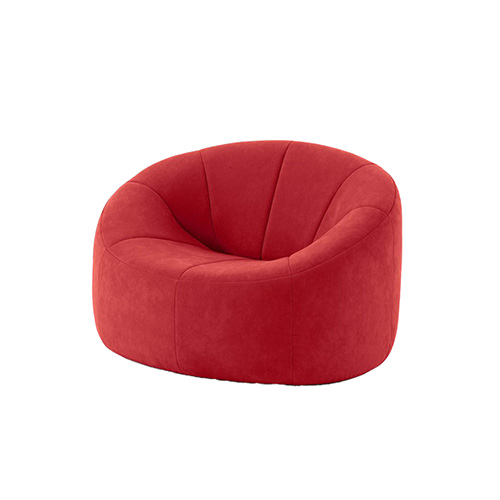
Pumpkin – Pierre Paulin
Pumpkin – Pierre Paulin
1,995.30 €
Icon-Icon Opinion :
An iconic sofa made from the wooden slats wrapped in foam and covered in leather were first seen in presidential apartment of François Mitterand.. Pierre Paulin’s Pumpkin owes a lot of success to the former president who made him his favorite designer!
Name of the product : Pumpkin
Designer : Pierre Paulin
Description : For the very first time, Pierre Paulin’s 1971 design for seating for the private apartments of Claude & Georges Pompidou at the Elysée Palace is being put into large-scale production. Pumpkin is characteristic of Paulin’s revolutionary style, as initiated at the end of the 1950’s, and as its name suggests is evocative of a giant pumpkin, welcoming the user with its protectively voluptuous – and voluptuously protective – shell. Resisting its appeal is an impossibility!
Materials : Polyether foam
Related products
-

Hôtel de Bourrienne
34.00 € En savoir +BuyAuthor: Thierry Sarmant
Publishing House: Tallandier
Publication Date: September 2020
The Hôtel de Bourrienne is the only private residence that remains in Paris to recall the atmosphere of the Directoire and the Consulate. A series of small miracles has made this two hundred year continuity possible: since the end of the Age of Enlightenment, great speculators, financiers, manufacturers and captains of industry have succeeded one another within its walls in order to preserve a heritage that is rich in memories. After four years of ambitious restoration, the architecture and decorations are once again revealed with singularity and elegance.
-
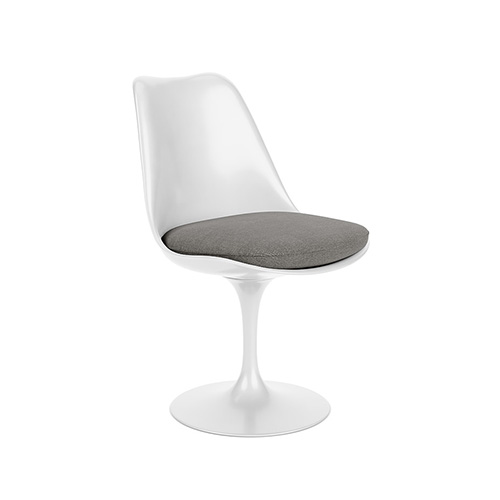
Tulip Chair – Eero Saarinen
1,885.00 € En savoir +BuyIcon-Icon Opinion :
The Tulip Chair, icon of modern design since 1965, is a part of the latest series of furniture designed by Saarinen. His intention was to simplify the structure of this furniture by revolutionizing the genre.
Name of the product : Tulip Chair
Designer : Eero Saarinen
Description : The collection is a defining accomplishment of modern design and timeless addition to your home – a true classic. Pair Tulip Chairs with a Saarinen Table for the quintessential modern dining set, or mix and match for a statement in any room.
Matières : Fiberglass, Aluminium, Textile / Leather
-

Hôtel du Cap-Eden-Roc
75.00 € En savoir +BuyIcon Icon Opinion
A beautiful book with delicious pastel-coloured pages, which explores each sumptuous room of this 150-year-old shelter overlooking the Mediterranean Sea. The Hôtel du Cap-Eden-Roc is a special place — a place that inspired Scott Fitzgerald, a luxurious, enchanting place that has housed great figures of this century… A place immortalised by photographer Slim Aarons as the absolute palace of the Dolce Vita! Dive into the history of this timeless place thanks to hitherto unseen anecdotes, documents and photographs…
Authors: Alexandra Campbell (Author), Graydon Carter (Preface)
Publishing House: Flammarion
Publication Date: April 2021
At the heart of Cap d’Antibes’ magnificent landscape lies a priceless treasure, the Hôtel du Cap-Eden-Roc. A true legend on the Côte d’Azur, this palace has been around for one hundred and fifty years, inspiring its visitors. High ranking aristocrats, painters, directors, actors, poets and photographers, many great names have stayed here and wanted to return regularly. Throughout its history, the hotel has welcomed personalities who have marked the history of art and cinema such as Francis Scott and Zelda Fitzgerald, Pablo Picasso, Marc Chagall, Marlene Dietrich and Rita Hayworth. This mythical hotel is both an exceptional place, a place for extraordinary meetings, and an ideal second home where the sweetness of life is cultivated to perfection.
-
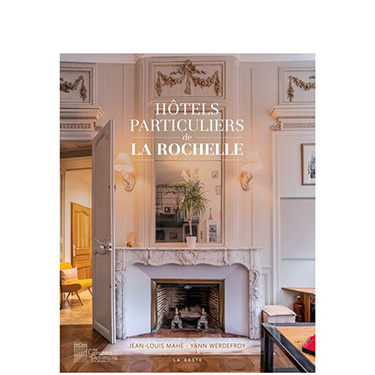
Hôtels particuliers de La Rochelle
39.90 € En savoir +BuyIcon Icon Opinion
A new dive into the large carriage doors of La Rochelle’s streets — in this book, a well-informed historian takes us on an instructive and ecstatic tour of these small palaces characterised by their taste and extravagance!
Authors: Jean-Louis Make, Yann Werdefroy
Publishing House: Geste
Publication Date: April 2021
After Trésors d’architecture de La Rochelle in 2019, Jean-Louis Mahé (for the texts) and Yann Werdefroy (for the photos) have joined forces once again to offer you an opportunity to discover the town houses of La Rochelle. Did you know that the historic centre has nearly a hundred of them, from the Renaissance to the dawn of the 20th century?
But what is behind these high walls and monumental portals? Often beautiful stones and magnificent timeless gardens where the mind enjoys travelling and rediscovering the ways of life of the past. Do you want to experience history? Then follow us, join us in opening these heavy doors to discover the treasures of the Rochelais heritage!