
Panton – Verner Panton

Panton – Verner Panton
309.00 €
Icon-Icon Opinion :
The classic of classics- the Panton! The chair by Verner Panton is the first chair to be made of molded plastic which makes it become a revolution. This bold and timeless elegance is the most iconic design.
Name of the product : Panton
Designer : Verner Panton
Description : The Panton chair, created by Verner Panton in the 1960s, is a true icon in the history of furniture. The Panton chair marked the history of design both by its form and the technique used to produce it. Indeed, the Pantone Chair was the first plastic chair made in one piece.
Materials : Polypropylene
Related products
-
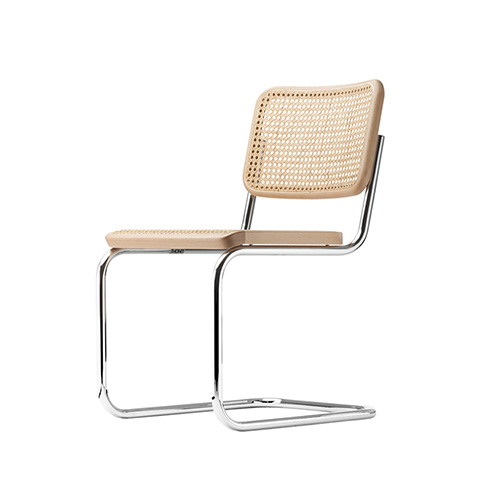
S 32 – Marcel Breuer
936.00 € En savoir +BuyIcon-Icon Opinion :
Probably the most famous and most produced tubular steel seat in the history of furniture! A chair that has become the figurehead of the Bauhaus aesthetic, now looks chic in every interior.
Name of the product : S 32Designer : Marcel Breuer
Description : The S 32 cantilever chair and the S 64 variant with armrests are undoubtedly the best-known tubular steel classics. Their popularity comes from the successful combination of new and old with, on the one hand, Thonet’s tradition as a manufacturer of bentwood furniture stretched with typical Viennese cane and, on the other, the revolutionary use of tubular steel.
Materials : Steel, Beech, Cane, Plastic fabric
-

Great Escapes USA. The Hotel Book
40.00 € En savoir +BuyAuthor: Angelika Taschen
Publishing House: Taschen
Publication Date: August, 2021
From the Napa Valley to the Hudson Valley, from the Wild West to the South, from the mountains of New Mexico to the coast of Maine: a journey across the USA will take you to legendary landscapes with all kinds of wonderful accommodations. Angelika Taschen presents her favorite destinations: beach houses and desert camps, motels and ranches, mobile homes and tents, resorts and inns.
-
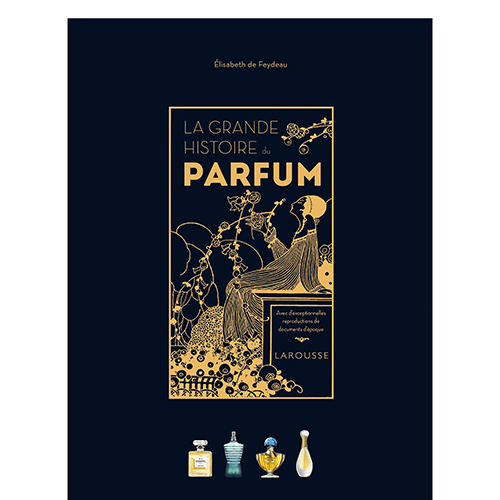
La Grande Histoire du Parfum
29.95 € En savoir +BuyIcon Icon Opinion :
The history of the art of scenting is clarified here along with the great history – mixing poetry and scientific revolutions, in a precise work written by the learned and literary pen of Elisabeth de Feydeau.
Author : Élisabeth de Feydeau
Publisher : Larousse
Date of Publication : October 2021
Description :Where does perfume come from, how was it invented, what are its main ingredients? How did it pass from a sacred use to a profane one? Why was Louis XIV called “the sweetest flowering king”? Who were the first great perfumers? What role does the fashion industry play in the history of perfume? What is the job of the “nose”? What are the stories behind mythical perfumes like N°5, Eau Sauvage, Angel, CK One, Le Mâle?
All the answers are in this book, which also features several portrait galleries: master glassmakers, the first perfumers, modern perfume designers, etc. Magnificently illustrated, thanks to a rich iconography and unpublished facsimiles of archival documents and the most beautiful perfume brands, The Great History of Perfume transports you into a precious and bewitching universe. -

Hotel Petra
48.00 € En savoir +BuyAuthor: Robert Polidori
Publishing House: Steidl Interart
Publication Date: September 2016
This book is Robert Polidori’s portrait of the interiors of the now demolished Hotel Petra in Beirut, a grand icon of the city’s prewar history. The Hotel Petra was once one of the most popular hotels in Beirut, conveniently located in the city center adjacent to the Grand Theatre. After the Lebanese Civil War of 1975-90, Rafiq al-Hariri founded a holding company, Solidere, whose goal was the selective demolition and reconstruction of downtown Beirut’s urban fabric. In 1992 the Hotel Petra was set aside for later restoration, and from that moment essentially cut off from any human intervention.