
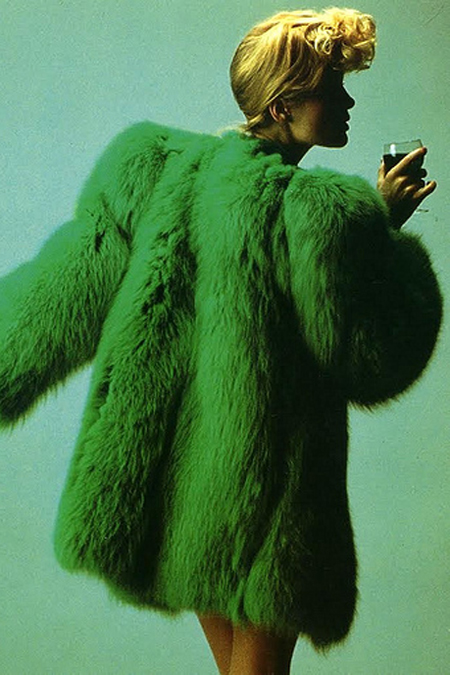
A couturier runway had never spurred such hatred before. In 1971, just 25 years after the end of WWII, memories of the dark days of the Occupation were still alive. Ration tickets for food and textiles, mediocre fabrics, re-pieced clothing, hodge-podge accessories, and bargain rack fashion was the sort of most women, who were grappling with material difficulties. Nevertheless, the 1971 collection’s fault wasn’t these references to the material deprivations of the Occupation, oh no. The 1971 collection didn’t recall the typical wartime wardrobe, it was altogether another story. Composed of more luxurious, more gaudy clothing, it was what was worn by women who resigned themselves to collaborating with the occupiers in a very “horizontal” way. This is how it was perceived in hindsight in any case. During the Liberation, these infamous women were forcibly shaved for having “slept with the Germans”.
Yves Saint Laurent’s fault was not one of taste, it was sexual, moral, political. Prudence Glynn wrote in the January 30th edition of the Times: “If you dream of dressing like that, watch out for your reputation. Otherwise you might be taken for a professional in horizontal collaboration.” And yet this retro trend had taken root in society for close to two years, after the optimistic 60s, fashion was now looking backwards. Women like Paloma Picasso, rejuvenated memories of the glamour of 40s Hollywood with their outfits. Born post-war, this young generation didn’t see “the horror in these outfits” but appreciated its worked aesthetic. As early as 1966, Yves Saint Laurent had let himself fall privy to retro’s charm in the costumes he designed for Catherine Deneuve in the film Belle de Jour.
Leave a Reply